Source Modern Heart Shaped Cocktail Glass for Bars, Parties, and Weddings
Explore 30 listings for the modern heart shaped cocktail glass, featuring handmade options in soda lime and borosilicate materials. Compare specifications like 225ml capacity and clear designs from Chinese manufacturers to find suitable drinkware for home, bar, and restaurant use.
Key considerations
Products List






Comprehensive Sourcing Guide
Modern Heart Shaped Cocktail Glass Sourcing Guide
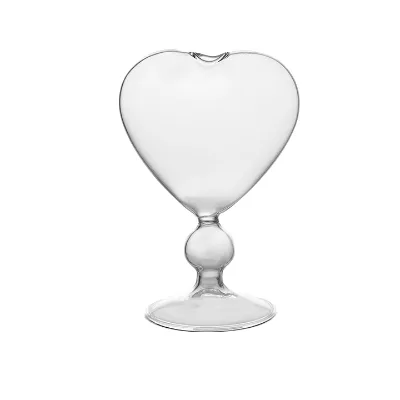
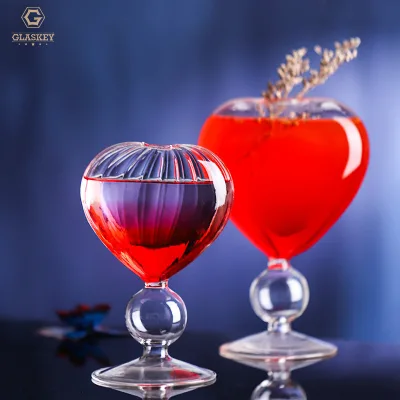
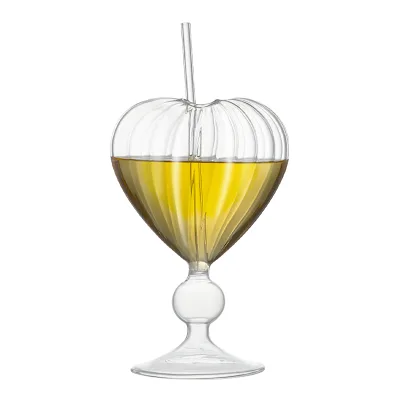
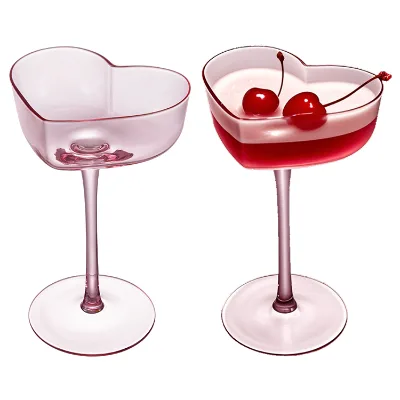
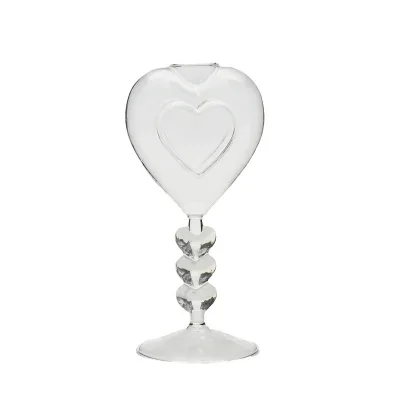
Sourcing modern heart-shaped cocktail glasses requires careful attention to the specific aesthetic and functional demands of contemporary bar and event environments. Buyers must distinguish between standard geometric shapes and unique designs like the observed "Peach Heart Cocktail Cup" to ensure the product matches the intended theme. The market offers variations ranging from simple clear glass to more elaborate mouth-blown pieces, each carrying different implications for durability and visual impact.
Procurement decisions should prioritize the intended application, whether for high-volume restaurant service or intimate home parties. The observed listings indicate a strong presence of products labeled as "Handmade" or "Mouth Blown," which suggests a higher level of craftsmanship but potentially higher variability in weight and dimensions. Buyers need to verify if the specific heart shape aligns with the brand identity of their venue or event, as the "American Style" and "Contemporary" designations often imply distinct silhouettes that affect both stacking efficiency and customer perception.
Product Scope and Observed Listing Signals
The current market for heart-shaped drinkware includes a diverse range of capacities, from compact 160ml servings to larger 401-500ml options, catering to different beverage types like wine, martini, or mixed cocktails. Listings frequently highlight specific features such as "food safe" status and "High white soda lime glass" composition, which are critical for maintaining product integrity during service. The "Single item" selling unit and "Carton Box" packing methods observed suggest that suppliers are prepared for both individual retail sales and bulk commercial distribution.
Buyers must navigate the variance in physical dimensions, as observed sizes range from compact 8x8x16cm packages to larger 28x20x18cm units, directly impacting shipping costs and storage requirements. The presence of "Customized Logo Acceptable" on multiple listings indicates a strong opportunity for branding, yet the "Handmade" nature of some items may limit the precision of logo placement compared to mass-produced alternatives. Understanding these signals helps in selecting the right balance between unique design and logistical efficiency for the specific procurement volume.
Technical Specifications to Verify
Dimensional accuracy is paramount when sourcing heart-shaped glasses, as the irregular geometry can lead to instability if the base is not perfectly balanced. Buyers should verify the exact single package size and gross weight, noting that observed weights vary significantly from 93g for individual units to 1.200 kg for packaged sets, which affects freight calculations. The capacity range of 201-300ml versus 401-500ml must be confirmed against the intended pour size to ensure consistency in beverage pricing and customer satisfaction.
Material composition requires strict verification, as the listings mention both "High white soda lime glass" and "High Borosilicate Glass," each offering different thermal and mechanical properties. Soda lime is standard for room-temperature service, while borosilicate offers superior heat resistance, which may be necessary for specific cocktail preparations involving hot ingredients. The "Mouth Blown" craft technique observed in some products implies a unique aesthetic but necessitates tighter quality control checks for wall thickness uniformity and potential surface imperfections that could compromise structural integrity.
Compliance and Safety Documentation
Food safety compliance is a non-negotiable requirement for all glassware entering the hospitality sector, and buyers must request documentation confirming that the materials meet relevant regional standards. The observed "food safe" feature on listings is a positive indicator, but it should be backed by specific test reports or certificates of analysis from the manufacturer to ensure the glass does not leach harmful substances. This is particularly important for heart-shaped designs where the curvature might create stress points that could affect the chemical stability of the glass under repeated washing cycles.
Regulatory adherence extends to the packaging materials used for shipping, which must also be safe for food contact if the packaging is reused or if the glass is sold in a retail-ready box. Buyers should verify that the "Carton Box" packaging meets international shipping standards to prevent breakage during transit, which is a common risk with delicate, uniquely shaped glassware. Ensuring that the supplier can provide proof of compliance with local food safety regulations in the destination market is essential to avoid customs delays or product recalls.
Cost Drivers and Commercial Terms
The cost of modern heart-shaped cocktail glasses is heavily influenced by the production method, with "Handmade" and "Mouth Blown" items typically commanding a premium over machine-pressed alternatives. The observed Minimum Order Quantity (MOQ) ranges from 2 to 10,000 pieces, allowing flexibility for small boutique orders but potentially increasing the unit cost for smaller volumes. Buyers must evaluate whether the aesthetic value of the unique shape justifies the higher price point compared to standard cylindrical or conical glasses that offer similar functionality at a lower cost.
Commercial terms regarding branding and customization also play a significant role in the final pricing structure. The availability of "Customized Logo Acceptable" services adds value but may incur additional setup fees or require a higher MOQ to be economically viable. Lead times can vary based on the complexity of the design and the current production schedule of the supplier, particularly for items originating from specific regions like Guangdong or Shandong. Understanding these cost drivers helps in negotiating favorable terms that align with the project budget and timeline.
Supplier Qualification and Quality Control
Supplier qualification should focus on their ability to maintain consistency in handmade products, which are inherently more variable than mass-produced items. Buyers must assess the supplier's quality control processes for defects such as bubbles, uneven bases, or irregular heart shapes that could affect the stability of the glass on a bar counter. The "Glaskey" and "BLOTUS" brand names observed suggest established manufacturers, but due diligence is required to confirm their track record with similar custom glassware projects.
Quality control protocols must include rigorous testing for thermal shock resistance and mechanical strength, especially given the thin walls often associated with mouth-blown glass. Buyers should request samples to verify the "High white soda lime glass" quality and ensure the "Clear" color is consistent across the batch. Establishing a clear acceptance criteria for visual defects and dimensional tolerances is essential before placing a large order, as the unique shape of the heart glass makes it more susceptible to breakage during handling and washing.
Long-Term Procurement Checks
Long-term procurement success depends on the supplier's ability to maintain consistent quality and availability over time, especially for unique designs that may be difficult to replicate. Buyers should establish a relationship with the supplier to ensure that the "Handmade" process remains stable and that the "Modern" or "Contemporary" style does not drift into a different aesthetic that could alienate existing customers. Regular audits of the production line can help identify any deviations in the manufacturing process that might affect the final product quality.
Inventory management strategies should account for the fragility of heart-shaped glasses and the potential for breakage during storage and transport. Buyers need to plan for a buffer stock to replace damaged items without disrupting service, particularly for high-traffic venues like bars and restaurants. Continuous communication with the supplier regarding production capacity and lead times is crucial to avoid stockouts, ensuring that the unique design remains a reliable part of the beverage program for years to come.
FAQs
What is the capacity of the modern heart shaped cocktail glass?
The capacity ranges from 160ml to 500ml depending on the specific model. Some designs hold 225ml while others accommodate 201-300ml or up to 401-500ml. Buyers should verify the exact volume for their intended beverage type to ensure proper serving size and aesthetic balance.
Can the glass be customized with a logo?
Yes, customized logo printing is acceptable for these glassware items. Manufacturers typically offer branding options to meet specific business requirements. This allows hotels, bars, and event planners to enhance brand visibility. Buyers should confirm the specific logo application method and minimum order quantities with the supplier.
Which materials are used for these cocktail glasses?
Materials include high white soda lime glass and high borosilicate glass. Both options ensure durability and clarity for serving cocktails. The soda lime variant is common for standard drinkware, while borosilicate offers thermal resistance. These materials are food safe and suitable for various hospitality applications.
How are the glasses manufactured?
The glasses are produced using handmade and mouth-blown techniques. This craft ensures unique shapes and high-quality finishes for modern designs. Handmade processes allow for intricate details like the heart shape. Buyers should note that handmade items may have slight variations, adding character to each piece.
What are the typical packaging dimensions?
Packaging varies by model, with single package sizes ranging from 9x9x17 cm to 28x20x18 cm. Items are packed in carton boxes for safe transport. Gross weights range from 1.000 kg to 1.200 kg per package. These dimensions help buyers calculate shipping costs and storage requirements accurately.
Where are these glasses manufactured?
Production locations include Guangdong and Shandong provinces in China. These regions are known for glass manufacturing expertise. Buyers can source from factories in these areas to leverage local supply chain efficiencies. Origin details help in assessing logistics and potential trade considerations for international orders.